Garden landscaping in Sidcup
If you are planning garden landscaping in Sidcup, you are likely looking for a team that understands how local homes are used, what your outdoor space needs to do day to day, and how to create a garden that feels both practical and attractive. Whether you want a low-maintenance family garden, a smarter front garden, a better layout for entertaining, or a complete transformation of an overgrown space, the right landscaping approach can make a huge difference to how you enjoy your property.
Sidcup has a mix of property styles, from traditional terraces and post-war family houses to larger detached homes and newer developments. That variety means no two gardens are the same. Some plots have narrow side access, others have sloping lawns, mature trees, shaded borders, or limited parking close to the property. A local landscaping team can plan around those realities and design a space that works for your home, your routine, and your budget priorities.
Many customers begin by wanting one improvement and then realise the whole garden could work better with a more considered plan. For example, a new patio may need a better route from the house, improved drainage, a more useful planting scheme, or a tidy boundary treatment to finish the space properly. A well-designed garden should not only look good on paper; it should feel easy to maintain, safe to use, and enjoyable through different seasons. If you are exploring ideas for your property, request a free quote and talk through what is possible for your garden.
Why local garden landscaping matters in Sidcup
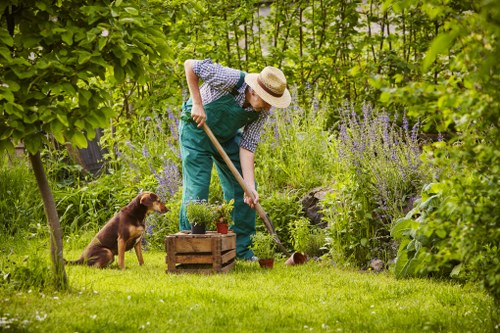
Choosing a team that regularly works in Sidcup and the surrounding parts of South East London and North Kent can save time and avoid a lot of unnecessary hassle. Local knowledge helps when dealing with access restrictions, parking limits, shared driveways, delivery schedules, and the practicalities of working in built-up residential streets. It also helps with design decisions, because the best materials and planting choices often depend on the kind of garden you actually have rather than a generic ideal.
Sidcup properties often benefit from landscaping that balances privacy, usability, and year-round structure. In some gardens, the main challenge is making a small outdoor area feel larger and less cluttered. In others, the issue is turning a tired lawn into a more usable family space with seating, planting, storage, and safer circulation routes. A local specialist in garden landscaping Sidcup can take a fresh look at the space and suggest improvements that feel realistic, not overcomplicated.
There is also an important difference between a garden that looks tidy for a few weeks and one that continues to perform well over time. Proper groundwork, drainage consideration, soil preparation, edging, and plant selection all affect how the finished garden behaves in wet weather, summer heat, or the colder months. Good landscaping is about creating a space that keeps working long after the final installation day.
What garden landscaping can include

Garden landscaping can be as modest or as extensive as you need. Some customers are looking for a straightforward refresh, while others want a complete redesign. In Sidcup, many projects combine several elements to make the most of the outdoor space and to improve how the garden connects with the house. The best results usually come from a plan that joins the practical and decorative parts of the garden together.
Typical landscaping services may include:
- Garden redesign and layout planning
- Patios and seating areas
- Pathways and stepping stone routes
- Turfing and lawn replacement
- Artificial grass installation
- Raised beds and planting borders
- Fence panels, trellis, and boundary improvements
- Decking and timber features
- Decorative gravel, edging, and mulching
- Drainage improvements and surface water management
- Garden clearance and preparation work
Some gardens in Sidcup also need a better connection between indoors and outdoors. That might mean widening access from a kitchen or conservatory, creating a level patio for easy movement, or building a more structured terrace area for seating and dining. The right combination of features can transform how the garden feels without making it difficult to maintain.
How the service works

A good landscaping service should feel clear from the start. Most customers prefer to know how the process works, what is included, and what happens at each stage. While every garden is different, the general approach usually begins with a conversation about your goals, followed by an assessment of the site and a discussion of the best options for your outdoor space.
The process often looks like this:
- Initial enquiry – You explain what you want to improve, whether that is a full redesign, a new patio, better planting, or a complete garden makeover.
- Site visit or discussion – The garden is assessed for size, access, levels, existing features, and any practical constraints.
- Ideas and scope – The most suitable options are discussed, including materials, layout ideas, and what work should be done first.
- Quotation – You receive a clear outline of the proposed work so you can make an informed decision.
- Preparation and build – The garden is cleared, groundworks are completed, and the agreed design is installed.
- Finishing touches – Edging, planting, cleanup, and detail work are completed so the space is ready to use.
This kind of structure gives customers confidence because it turns a large project into manageable stages. It also makes it easier to adapt the plan if the site reveals hidden issues such as poor soil, old roots, uneven levels, or drainage concerns. That flexibility matters in real gardens, especially on established Sidcup plots where previous work may have left a patchwork of surfaces and materials.
Garden types and property challenges in Sidcup

One reason local experience is so useful is that gardens in and around Sidcup can present very different challenges. A family home near a busy road may need privacy planting and a more enclosed seating area. A smaller rear garden may need a compact layout that makes good use of every metre. A larger plot might need zoning, so the space works well for children, pets, entertaining, and planting all at once.
Common local considerations include:
- Side access that is narrow or shared, making material delivery and waste removal more difficult
- Parking limitations on residential streets, which can affect how work is staged
- Uneven ground or slopes that require careful levelling and design planning
- Shaded areas caused by fences, outbuildings, or mature trees
- Old patios or paths that have moved, cracked, or become unsafe
- Heavy or clay-based soil that may need improvement before planting or turfing
- Boundary issues where fences, hedges, and retaining elements need attention
For commercial customers in Sidcup, landscaping needs can be different again. Business premises, rented properties, communal spaces, and small retail or office frontages often need tidy, durable, low-maintenance solutions that stay presentable with minimal disruption. Reliable garden landscaping in Sidcup can support both domestic and commercial spaces by creating outdoor areas that are neat, functional, and easy to look after.
Design ideas that work well for local homes

There is no single right way to landscape a garden, but some approaches work especially well for properties in Sidcup. The most effective designs usually start with a clear purpose: do you want more entertaining space, a safer play area, easier maintenance, improved privacy, or better visual appeal from the house? Once that purpose is clear, the layout can be shaped around it.
Useful ideas often include:
1. Creating distinct zones
Breaking a garden into zones can make even a modest space feel more usable. For example, you might have a paved dining area, a lawn for children or pets, a planting border for interest, and a quieter corner with seating. This approach is especially helpful when the garden needs to do several jobs at once.
2. Using low-maintenance materials
Many homeowners want a garden that looks good without constant upkeep. Choosing the right paving, gravel, edging, planting, and lawn type can reduce the amount of weekly work needed while still keeping the space attractive. Low-maintenance does not mean plain; it means well chosen, balanced, and easy to manage.
3. Improving flow from house to garden
If the garden feels disconnected from the home, the whole space can seem less inviting. Good landscaping can improve the route from the back door to key features such as a patio, shed, lawn, or play area. This is especially valuable for everyday use.
4. Adding structure with planting
Smart planting softens hard landscaping and gives the garden life throughout the year. Borders, shrubs, ornamental grasses, and feature plants can create privacy, colour, texture, and seasonal interest without making the garden feel crowded.
Helpful detail to keep in mind
Planting should be matched to the amount of sunlight, shade, and soil movement your garden receives. A local landscaper can help choose plants that are more likely to settle in well rather than struggle after installation.
What is included in a typical project
When people enquire about landscaping, they often want to know exactly what they are paying for and what the finished job will cover. That can vary depending on the scope of the work, but a typical project may include a mixture of planning, groundwork, installation, and finishing. Clear communication at the start helps keep the project on track and avoids misunderstandings later.
Depending on the job, a landscaping service may include the following:
- Removal of old turf, paving, timber, or unwanted features
- Levelling and preparation of the site
- Building new patios, steps, or pathways
- Installing new turf, artificial grass, or planted areas
- Constructing fencing, raised beds, or retaining structures
- Edging and border definition
- Soil improvement and drainage considerations
- General tidy-up and waste removal where agreed
It is also worth asking how the project will be staged if the garden is large or access is limited. Some jobs are best completed in phases, especially when the weather, access, or material choice requires more careful scheduling. Phasing can be helpful for busy households and commercial sites alike, because it reduces disruption and keeps the work manageable.
Before work begins
A short preparation conversation can often save time later. If you know what you want to keep, what you want removed, and how you plan to use the garden, it becomes much easier to shape a sensible plan.
Preparing your garden for landscaping work
There are a few simple things you can do before landscaping begins to make the process smoother. You do not need to complete any heavy lifting yourself, but a little preparation can help the work start efficiently and keep the site safer and tidier.
Here is a useful checklist:
- Remove personal items from the garden such as furniture, toys, pots, and fragile ornaments if possible
- Let the team know about shared access, parking restrictions, or neighbours who may be affected
- Point out any existing drainage problems, hidden drains, or areas of concern
- Show which plants, trees, or features you want to keep
- Discuss pet access and any gates that need to stay secure
- Make sure the main access route is as clear as possible on the day work starts
If your garden is particularly overgrown or cluttered, garden clearance may be the first step before the real landscaping work can begin. That is perfectly normal. In fact, many of the best transformations start with a careful clearance phase that reveals the true shape and potential of the space beneath.
Practical preparation helps the job run more smoothly, but a professional team should also be able to handle the realities of working on busy Sidcup residential streets and tight access points.
Pricing factors and what affects the quote
People often ask what influences the cost of landscaping. While it is not sensible to quote exact prices without seeing the site, there are several common factors that affect the overall project cost and the level of labour involved. Understanding these points helps set realistic expectations and makes it easier to compare different options.
Key pricing factors include:
- Garden size – Larger areas need more materials and labour
- Ground condition – Very uneven, compacted, or waterlogged ground may need extra preparation
- Access – Narrow side passages or difficult parking can add time and effort
- Materials selected – Different paving, timber, turf, gravel, and planting choices vary in cost
- Complexity of the design – Multi-level layouts, retaining walls, or detailed features take more planning and build time
- Waste removal – Clearing old materials and debris may be included or added depending on the scope
- Level of transformation – A simple refresh is usually less involved than a complete redesign
For many Sidcup customers, the best starting point is to focus on the areas that will have the biggest impact first. That might be the main patio, the lawn, the path to the shed, or the front garden. Once the main structure is in place, further improvements can be added later. This staged approach can make a larger project feel more achievable.
Why choose a local company for garden landscaping in Sidcup
There are real benefits to choosing a team that regularly works locally. A nearby landscaping company is more likely to understand the streets, access issues, neighbourhood property styles, and the kinds of outdoor spaces that are common in Sidcup. That practical knowledge can make planning easier and reduce avoidable delays during the job.
Reasons local customers often prefer a nearby team include:
- Faster response for quotations and site visits
- Better understanding of local property layouts
- More practical advice on materials and layouts that suit the area
- Awareness of access and parking limitations
- Easier coordination if the project needs to be done in stages
- Support for both domestic gardens and commercial outdoor areas
Another advantage is that a local landscaper is more likely to appreciate how important the garden is to everyday living. In Sidcup, outdoor space often has to serve as an extension of the home: a place for family meals, play, gardening, relaxing, drying clothes, or simply getting some fresh air without feeling cramped. A good design supports how you actually live, not just how the garden looks in a photograph.
Suitable for a range of properties
Landscaping can work well for front gardens, back gardens, side returns, and shared or commercial spaces. The best solution depends on how the space is used and what level of maintenance you are comfortable with over time.
Areas covered around Sidcup
Garden landscaping in Sidcup often extends into the surrounding local area, including nearby parts of Bexley and neighbouring South East London communities. Many customers looking for a local landscaping service also live in nearby residential districts where similar property types and access challenges are common.
Areas commonly served may include nearby locations such as:
- Bexley
- Blackfen
- Welling
- New Eltham
- Albany Park
- Eltham
- Chislehurst
- Crayford
- Bromley border areas
If you are close to Sidcup but not sure whether your property falls within the usual service area, it is still worth making an enquiry. A local team can often advise quickly on whether the job is suitable, what access arrangements might be needed, and how the project could be scheduled.
FAQs about garden landscaping in Sidcup
How do I know whether my garden needs a full redesign or just an update?
If the garden layout already works but looks tired, a targeted update may be enough. If the space feels awkward, hard to use, or difficult to maintain, a fuller redesign could be the better choice. A site visit or detailed discussion usually makes the answer much clearer.
Can landscaping help with drainage problems?
Yes, in many cases. Surface levels, soil conditions, patio falls, and the arrangement of planting or hard surfaces can all affect drainage. If water tends to collect in the same area, it is important to look at the issue as part of the wider design rather than treating it as a separate problem.
What if my garden is very small?
Small gardens can benefit greatly from careful landscaping. Good layout choices, lighter materials, structured planting, and built-in seating or storage can make a compact space feel much more open and useful.
Do I need to choose all the materials before I request a quote?
No. It helps to have an idea of the style you want, but a local landscaper can usually suggest suitable options based on your priorities, the garden condition, and the way you want to use the space.
Can you work on both front and back gardens?
Yes. Many projects include both areas, especially where a front garden needs improved kerb appeal and the rear garden needs better function, seating, or low-maintenance finishes.
How long does a landscaping project take?
That depends on size, complexity, weather, access, and the amount of preparation needed. A straightforward refresh may take less time than a full redesign with multiple features. The timing is usually discussed before work starts.
What should I ask before booking?
It is sensible to ask what is included, how the project will be phased, what preparation is needed, and how access or waste removal will be handled. A clear conversation upfront helps ensure the work is planned properly.
What to expect from a professional landscaping visit
When you arrange a visit for garden landscaping in Sidcup, you should expect practical advice, a clear discussion of priorities, and a realistic view of what is achievable in your space. A professional approach should feel collaborative rather than pushy. The goal is to help you make informed decisions about your garden, not to overwhelm you with unnecessary extras.
A good local team will usually look at:
- The current condition of the garden
- Access points and delivery considerations
- Levels, slopes, and drainage issues
- How much maintenance you want to do yourself
- How the garden is used by children, pets, guests, or customers
- Which features should be kept, repaired, or replaced
That kind of assessment helps make sure the final result is suited to your property rather than copied from another project. Every successful landscaping job starts with a practical plan, and the best plans are shaped by real conditions on site.
Ready to improve your outdoor space?
If your garden is not working as well as it should, now is a good time to explore the options available. Whether you want a tidy front garden, a stylish entertaining area, a child-friendly lawn, or a complete outdoor makeover, the right landscaping service can help you make the most of your property.
For homeowners, landlords, and businesses in Sidcup, a well-planned garden can add comfort, ease of use, and visual appeal without creating more work than necessary. From the first ideas to the final finishing touches, a local service makes the process simpler and more responsive to the way you live and work.
Contact us today to discuss your ideas, ask questions, and take the next step toward a better garden. If you are ready to move forward, request a free quote and book your service now.